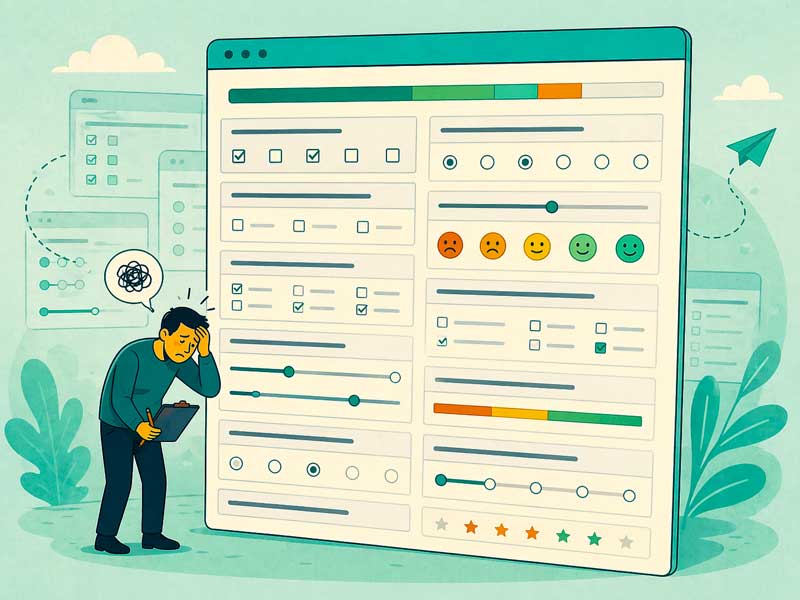
If you want better survey results, you need to pay close attention not only to what you ask, but also to when you ask it. Timing has a major influence on whether people respond, how accurately they remember the experience, and how useful their feedback will be once it reaches your team. A well-written survey sent at the wrong moment can perform poorly, while a simple survey sent at the right time can produce rich and actionable responses.
Many organizations focus heavily on questionnaire design and distribution channels but give far less attention to send timing. That is a mistake, because the moment you ask for feedback shapes the mindset of the respondent. Send a survey too early and the person may not have enough experience to answer meaningfully. Send it too late and the details may already be forgotten or emotionally flattened. If you want to collect feedback that reflects real experience, you need to think of timing as part of survey design rather than as a minor delivery detail.
Why Survey Timing Matters
Survey timing matters because memory changes quickly. Right after an interaction, details are fresh and emotions are often easier to recall. This makes it easier for respondents to comment on what actually happened, what stood out, and what influenced their perception. As more time passes, specific details begin to fade. People may remember a general feeling, but they are less likely to recall the exact source of frustration, delight, confusion, or effort.
Timing also affects willingness to respond. If you ask for feedback while the experience still feels relevant, the invitation seems more natural and purposeful. If the survey arrives long after the event, purchase, or interaction, it may feel disconnected from the respondent’s reality. At that point, the person may ignore it, delay it, or complete it with low engagement. Good timing improves both response likelihood and response quality. It helps you reach people at the moment when they are most able and most willing to tell you something useful.
The Difference Between Transactional and Relationship Surveys
One of the most important distinctions you should make is the difference between transactional surveys and relationship surveys. Transactional surveys are tied to specific moments, such as a purchase, a support interaction, a delivery, an appointment, or an event. These surveys work best when they are sent close to the experience, because their value depends on fresh recall and specific reaction.
Relationship surveys work differently. They are not designed to measure one isolated moment. Instead, they aim to understand the broader customer relationship, long-term satisfaction, trust, or loyalty. A survey like this does not need to be triggered immediately after an interaction. In fact, sending it too close to one single experience may distort the answer by overemphasizing a recent event. When you understand whether your survey is transactional or relationship-based, it becomes much easier to determine the right send timing.
When to Send a Survey After a Purchase
After a purchase, the right survey timing depends on what exactly you want to measure. If your interest is in the checkout process or the buying experience itself, you can ask for feedback relatively soon after the transaction. At that stage, the customer can still remember whether the purchase process felt easy, clear, frustrating, or smooth. This is especially useful for e-commerce, digital subscriptions, booking flows, or checkout optimization.
If, however, you want feedback on the product experience, then sending the survey immediately after purchase may be too early. The customer may not have used the product yet, received the delivery, or had enough time to form a meaningful opinion. In that case, it makes more sense to wait until the person has had a realistic opportunity to interact with what they bought. The key principle is simple: do not ask for feedback before the customer has had the experience you actually want them to evaluate.
When to Send a Survey After a Support Ticket
Support surveys are often most effective when they are sent shortly after the issue has been resolved. At that point, the customer can still remember how quickly the team responded, whether the solution was helpful, how easy the process felt, and whether the interaction created confidence or frustration. A support experience is usually highly specific, so fresher timing tends to produce more precise and useful answers.
Waiting too long after resolution reduces that precision. The customer may remember that they contacted support, but important details may already be blurred. On the other hand, sending the survey too early can also create problems, especially if the case is technically marked as closed but the customer does not yet feel that the issue is truly resolved. This is why the most effective timing is usually just after the support experience feels complete from the customer’s perspective, not merely after the internal workflow reaches a certain status.
When to Send a Survey After an Event
Event feedback surveys also benefit from strong timing, but the ideal moment can vary depending on what you want to learn. If your focus is on logistics, organization, speaker quality, or immediate impressions, it is often best to ask for feedback soon after the event ends. This is when memories are still vivid and respondents can comment accurately on how the event felt in practice.
At the same time, some event-related questions benefit from a short delay. If you want to know whether the event created lasting value, influenced behavior, or changed understanding, respondents may need time to reflect before they can answer properly. This is especially true for professional conferences, training events, workshops, and educational sessions. In these cases, immediate feedback can capture reaction, while a later follow-up can capture impact. The right timing depends on whether you want impressions or outcomes.
When to Send a Survey After a Patient Visit or Service Appointment
Healthcare and service-related surveys require extra care because the timing needs to balance relevance with sensitivity. After a patient visit, for example, feedback is often most useful when the experience is still recent enough to remember clearly. Patients can then comment on waiting times, staff interaction, communication clarity, and the overall quality of the visit with more confidence.
However, not every service context should trigger an immediate survey in exactly the same way. Some experiences involve stress, discomfort, uncertainty, or emotional strain. In such cases, timing should reflect the nature of the interaction and the condition of the respondent. The goal is not only to collect feedback quickly, but to collect it respectfully. In healthcare and similar service environments, a thoughtful delay may sometimes improve both the response rate and the quality of the answers because it gives the respondent space to recover and reflect.
How Survey Goals Affect the Ideal Send Time
The best send time always depends on what you are trying to learn. If your goal is to measure immediate satisfaction with a single experience, earlier timing is usually more effective because the event is fresh in memory. If your goal is to evaluate longer-term value, sustained impressions, or behavioral outcomes, then some delay may be necessary. A survey about onboarding ease should not necessarily be timed the same way as a survey about loyalty or long-term product fit.
This is why survey timing should always begin with the research objective. You should ask yourself what kind of feedback the respondent is realistically able to give at each stage of the journey. Are you measuring reaction, effort, satisfaction, memory, long-term impact, or relationship strength? Each of these questions belongs to a different moment. Timing is not something you choose after the survey is written. It is something that should be aligned with the purpose of the study from the beginning.
Other Timing Factors Teams Often Ignore
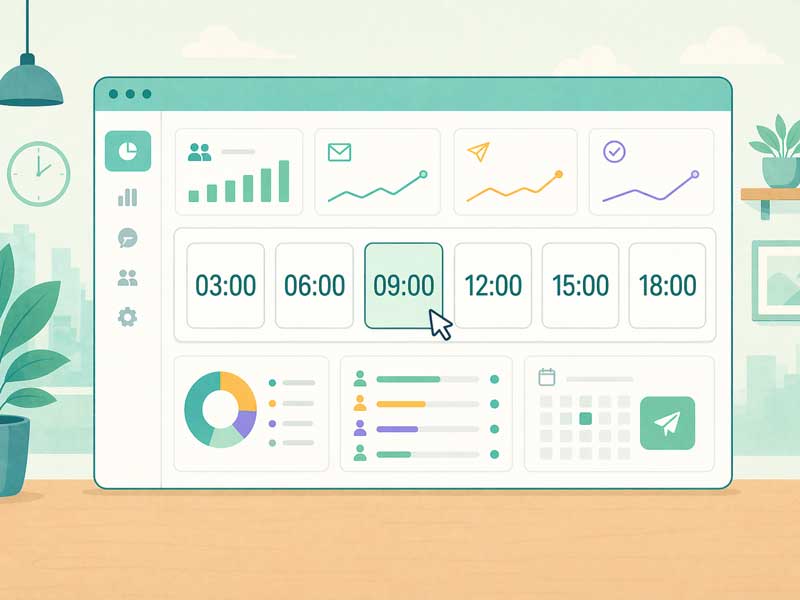
Many teams think about timing only in terms of the number of hours or days after an interaction. That matters, but it is not the whole picture. Time of day can influence whether respondents open and complete a survey. Day of week can matter as well, especially in business contexts where weekday behavior differs from weekend behavior. Geography and time zone are also important if your audience is spread across regions. A survey sent at a convenient time in one market may arrive at an inconvenient time in another.
Survey frequency is another major factor. Even a well-timed survey can perform poorly if the same audience is asked for feedback too often. People begin to ignore invitations when they feel over-surveyed, especially if they do not see visible outcomes from their participation. Timing, therefore, is not only about when one message is sent. It is also about how that message fits within the respondent’s wider experience with your brand, organization, or service.
How to Test and Improve Your Timing Strategy
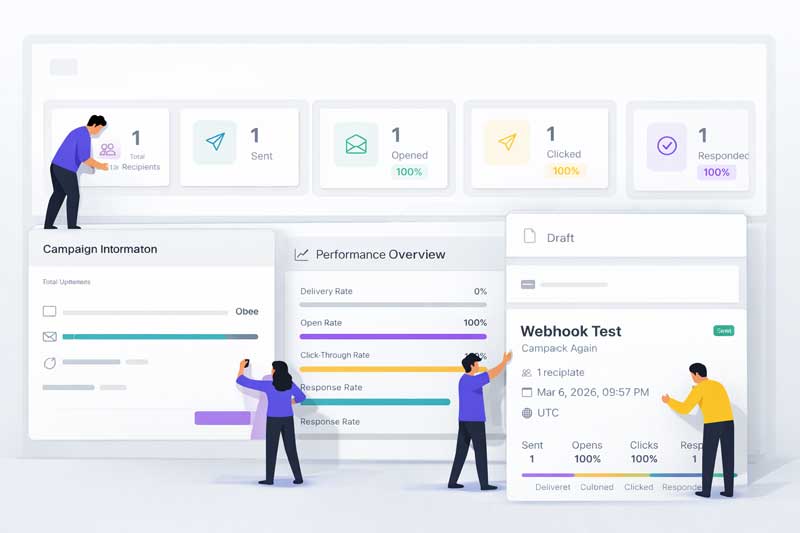
You do not have to guess the perfect send time once and hope it works forever. A much stronger approach is to treat timing as something you can test and improve. If you have enough volume, you can compare response rates and answer quality across different send windows. For example, you may test whether feedback is better when requested immediately after an interaction, the next morning, or a few days later. These comparisons can reveal patterns that are specific to your audience and use case.
You should not judge timing only by open rate or completion rate. You should also look at response quality. A survey that gets slightly fewer responses may still be better if the answers are more complete, thoughtful, and useful. This is particularly important when open-ended questions are involved. Good timing is not simply the moment that gets the most clicks. It is the moment that gives you the most decision-ready feedback.
Mistakes to Avoid
One common mistake is sending a survey before the respondent has actually experienced the thing you want to measure. This leads to vague, incomplete, or speculative answers. Another mistake is waiting so long that the invitation feels disconnected from the original experience. In that case, recall weakens and engagement often drops. Both mistakes reduce the usefulness of the data, even if people still respond.
It is also a mistake to apply one timing rule to every type of survey. A post-purchase survey, a support follow-up, an event evaluation, and a patient feedback form do not belong to the same rhythm. Another problem is sending surveys too frequently without considering fatigue. Even well-designed feedback programs can underperform if respondents feel they are constantly being asked to evaluate every interaction. Strong timing requires sensitivity not only to the experience itself, but also to the respondent’s overall survey burden.
Final Thoughts
The best time to send a survey is the moment when the experience is still clear, the respondent is able to reflect meaningfully, and the feedback can still support useful action. That moment is different depending on whether you are measuring a recent transaction, a service experience, an event, a patient visit, or the broader customer relationship. The key is to match the survey timing to the reality of the experience you want to understand.
If you want better responses and more useful findings, you should treat timing as a strategic part of your survey process. When you send feedback requests at the right moment, you make it easier for people to remember accurately, respond thoughtfully, and share insights that genuinely help your organization improve.